


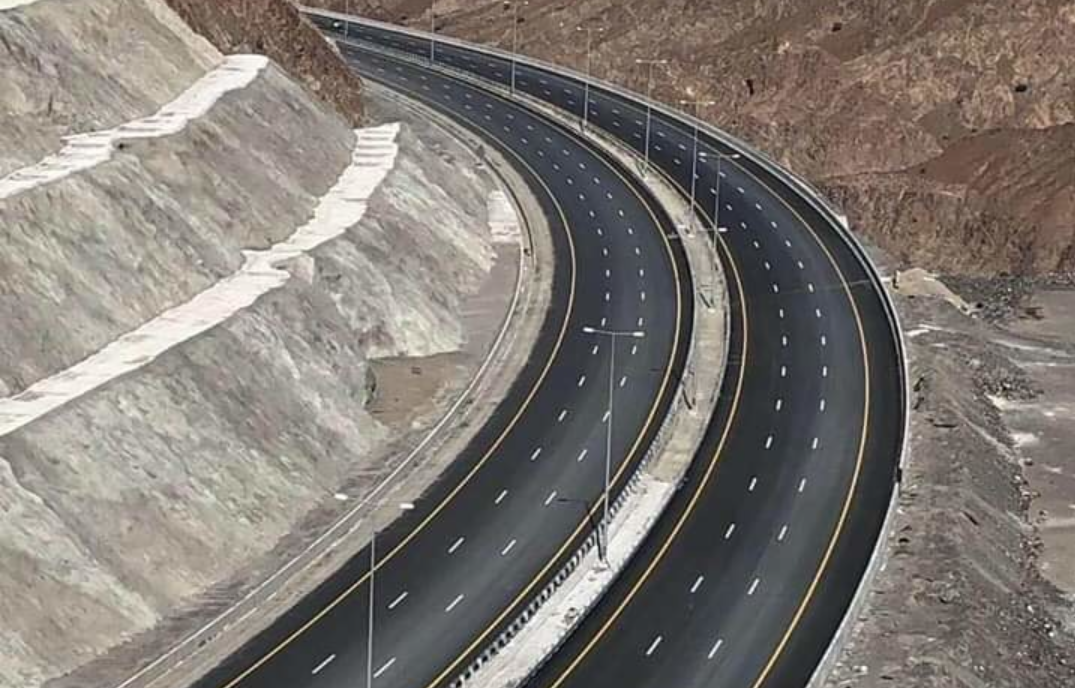
The Oman Road Network is widely recognized as one of the most impressive infrastructure achievements in the Gulf region. Visitors frequently praise the smooth highways, clear signage, and strategic connectivity that link cities, ports, mountains, and deserts seamlessly. For citizens and residents, these roads are more than just transport corridors—they are a symbol of national development and planning.
From Muscat’s modern expressways to remote mountain routes, Oman has invested heavily in creating a transport system that supports tourism, trade, and daily commuting with remarkable efficiency.
Strategic Vision Behind Oman’s Road Success
The rapid development of the Oman Road Network did not happen by accident. It is the result of decades of infrastructure planning aligned with Oman Vision 2040, which prioritizes economic diversification and connectivity. High-capacity highways now connect Muscat to Salalah, Sohar, Nizwa, Sur, and other key regions, ensuring smoother movement of goods and people.
High-Quality Engineering Standards
Oman’s highways are built to international engineering standards, designed to withstand extreme heat and shifting desert terrain. Modern asphalt technologies, proper drainage systems, and regular maintenance programs ensure durability and safety year-round.
Wide multi-lane highways, well-lit interchanges, and clearly marked road signs enhance driving comfort. These features have helped the Oman Road Network gain praise from international visitors who often compare it favorably to road systems in advanced economies.
Boosting Economic Growth and Connectivity
Infrastructure plays a vital role in economic performance, and the Oman Road Network supports trade logistics, tourism expansion, and regional integration. Efficient road links connect major industrial hubs like Sohar Port and Duqm Port to inland markets and neighboring GCC countries.
Supporting Tourism and Regional Access
Tourism benefits significantly from high-quality roads. Travelers can safely and comfortably access destinations such as Jebel Akhdar, Wahiba Sands, and coastal towns without difficulty. Smooth transport routes make domestic tourism more attractive and strengthen Oman’s global tourism appeal.
For regional mobility and automotive insights across Asia and the Middle East, industry updates can be explored on AsiaCarNews, which highlights transport and infrastructure developments shaping modern mobility.
Safety and Traffic Management
The Oman Road Network is not only known for quality but also for safety standards. Advanced traffic monitoring systems, speed cameras, and strict enforcement of traffic laws contribute to safer driving conditions. Road design incorporates clear lane separation, proper signage, and pedestrian crossings in urban areas.
Government authorities continuously evaluate accident data and introduce improvements such as smart traffic systems and enhanced public awareness campaigns.
Managing Heavy Vehicle Traffic
In busy urban centers like Muscat, authorities have implemented regulations to manage heavy vehicle movement during peak hours. These measures aim to reduce congestion, particularly during sensitive times such as Ramadan evenings, when traffic volumes naturally increase. Efficient coordination ensures smoother traffic flow without compromising safety.
A Model for Sustainable Development
Sustainability is becoming increasingly important in infrastructure planning. The Oman Road Network is evolving to integrate smart transport solutions, improved public transport corridors, and environmentally responsible construction practices.
By maintaining high standards and adapting to future mobility trends, Oman continues to set a regional benchmark for road infrastructure excellence.
Have you experienced the Oman Road Network firsthand? What impressed you most—road quality, safety, or connectivity? Drop your thoughts in the comments, and let’s discuss what makes Oman’s highways stand out globally!