


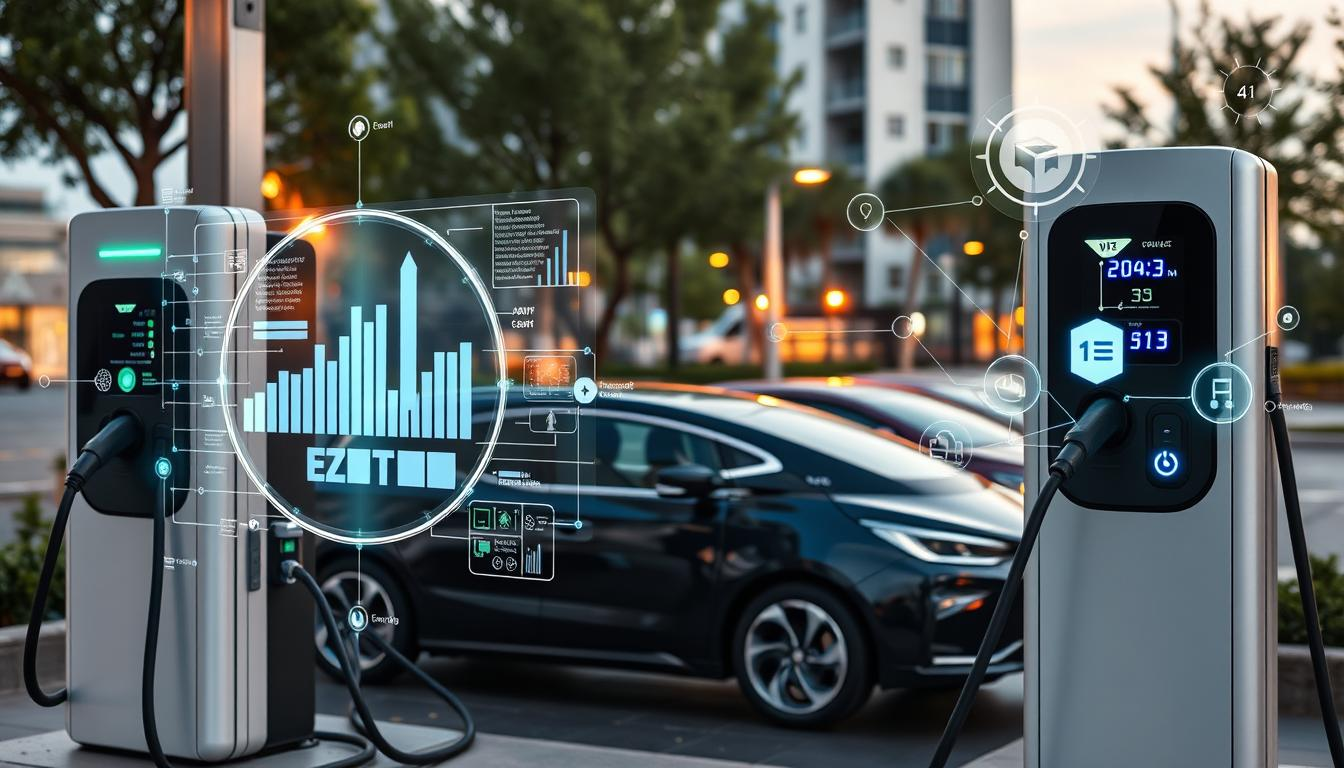
Oman is rapidly advancing its electric mobility transition with plans to add 190 new charging points by 2027, strengthening its national infrastructure for electric vehicles. The expansion of the Oman EV Charging Network is part of a broader strategy to support government fleet electrification, reduce emissions, and accelerate progress toward the country’s net-zero goals.
With electric vehicle adoption already rising, the government is investing heavily in charging infrastructure, logistics upgrades, and green transport systems to support long-term sustainability.
Expanding National Charging Infrastructure
The development of the Oman EV Charging Network is a key pillar of the country’s transport decarbonisation strategy. Authorities are focusing on increasing accessibility to charging stations across highways, urban centers, commercial hubs, and tourist destinations. Oman currently operates more than 160 charging points nationwide, and this number is expected to more than double as new installations are completed over the next two years.
Strategic Distribution of Charging Stations
The planned expansion will ensure that the Oman EV Charging Network covers key mobility corridors, including inter-governorate highways and densely populated urban regions. This will significantly reduce range anxiety and encourage more drivers to transition to electric vehicles. The government is also exploring advanced charging solutions in ports and logistics hubs to support commercial EV operations.
Supporting Rising EV Adoption
Electric vehicle registrations in Oman have already surpassed 5,900 in the first half of 2026, reflecting growing consumer confidence in electric mobility. The expansion of the Oman EV Charging Network is expected to further accelerate this trend by improving convenience and accessibility.
Government Fleet Electrification and Policy Push
A major driver of the Oman EV Charging Network expansion is the government’s plan to transition official fleets to electric vehicles, particularly for urban operations and routine services.
Gradual Transition to Electric Fleets
Government agencies are preparing to replace conventional vehicles with EVs in phases. This shift is expected to reduce fuel consumption, lower emissions, and set a strong example for wider public adoption. Officials view fleet electrification as a critical step in achieving national sustainability targets and improving operational efficiency.
Integration with Net-Zero Strategy
The transport sector plays a central role in Oman’s National Net Zero Strategy, which targets progressive emissions reductions by 2030, 2040, and full net-zero status by 2050. The Oman EV Charging Network is directly aligned with these goals.
Green Logistics and Smart Transport Systems
Beyond passenger mobility, Oman is also investing in cleaner logistics and maritime infrastructure to support its broader environmental ambitions.
Electrification of Ports and Logistics
The government is working on greening port operations by introducing electric equipment, renewable energy systems, and shore power solutions that allow ships to reduce emissions while docked. These initiatives complement the expansion of the Oman EV Charging Network by creating a fully integrated low-emission transport ecosystem.
Electric Mobility in Urban Delivery
Pilot projects using electric bikes for delivery services have already shown positive results, including reduced fuel consumption and improved efficiency in congested urban areas. Following successful trials, authorities are considering expanding electric two-wheeler logistics services across major cities. Industry observers tracking regional EV infrastructure growth through AsiaCarGroup note that Oman is emerging as one of the Gulf region’s early movers in coordinated transport electrification.
Industrial and Infrastructure Development
To support long-term EV adoption, Oman is also planning dedicated maintenance centers and spare parts facilities for electric vehicles.
Building a Full EV Ecosystem
The Oman EV Charging Network is part of a larger ecosystem strategy that includes service infrastructure, workforce development, and private sector participation.
This holistic approach is expected to ensure long-term sustainability and operational reliability of EV systems across the country.
Conclusion
The expansion of the Oman EV Charging Network to 190 additional charging points by 2027 represents a major milestone in the country’s clean transport transformation. Combined with rising EV adoption, government fleet electrification, and green logistics initiatives, Oman is steadily building a comprehensive electric mobility ecosystem. As infrastructure expands and policy support strengthens, the country is positioning itself as a regional leader in sustainable transport innovation.
Join the Conversation
Do you think Oman’s EV infrastructure expansion will be enough to speed up the mass adoption of electric vehicles? Share your thoughts in the comments and discuss the future of the Oman EV Charging Network.